IARS brings together professionals with complementary experience in risk analysis, resilience, emergency preparedness, communication, public policy, education and human factors.
01 / 02Board of Directors
Board of Directors
01
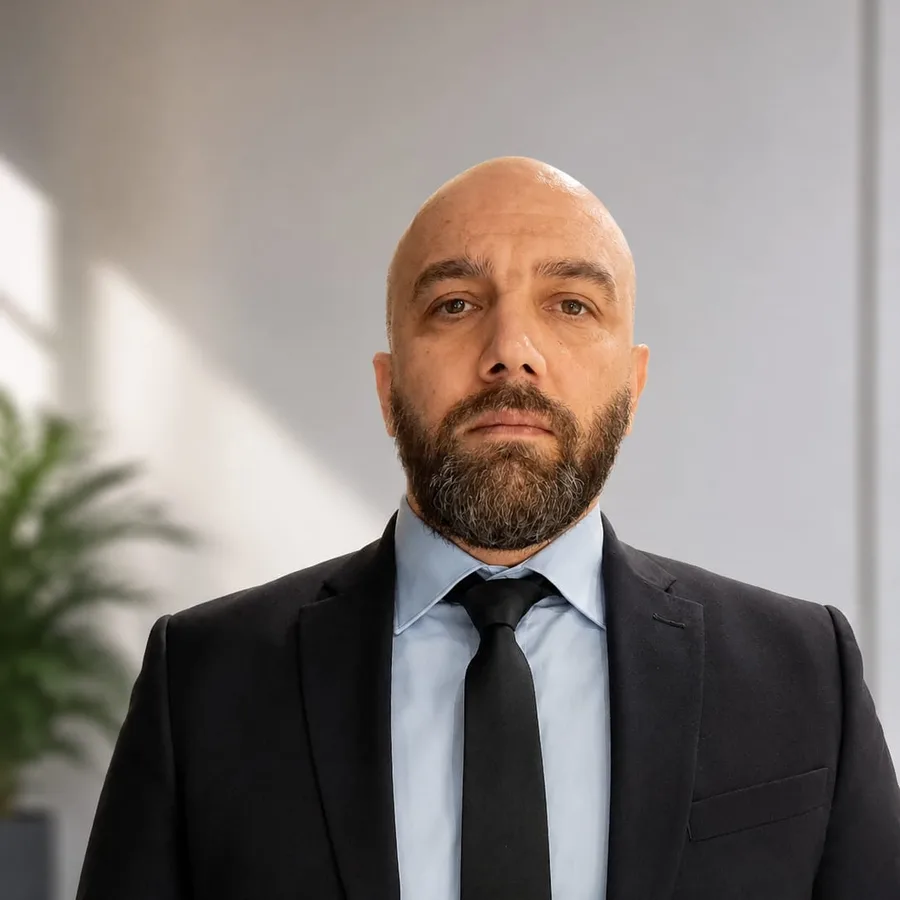
Constantin Min
President of IARS
Constantin Min is a technical adviser and metallurgical engineer at RoPower Nuclear, the project company for SMR development, with a multidisciplinary background in materials science, metallurgy and electrical engineering. He has experience in coordinating technical activities, welding, non-destructive examination, quality control and the application of ASME standards. At IARS he contributes technical expertise to risk analysis, preparedness and projects in the nuclear field.
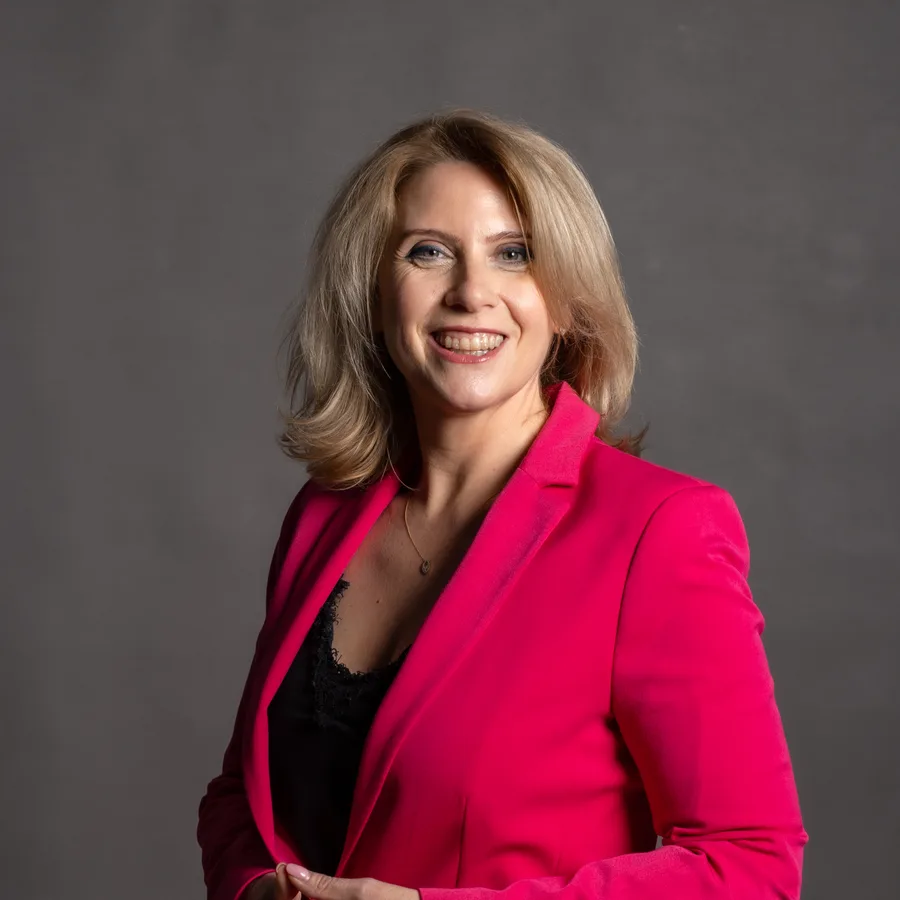
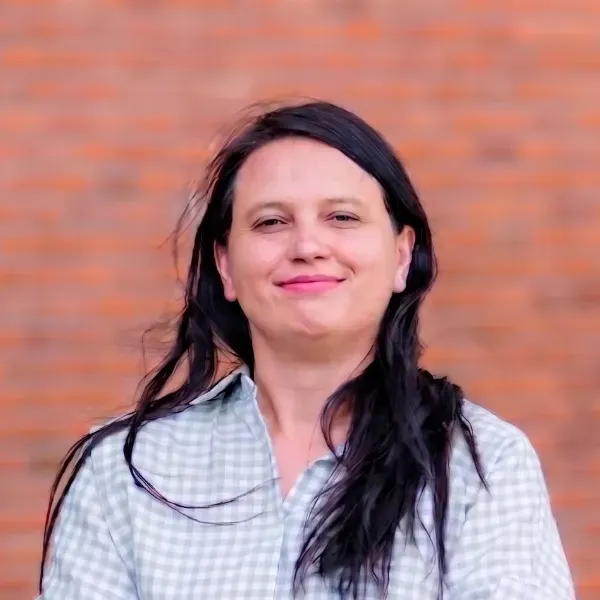
She has 25 years of experience in corporate communication, in organisations and projects with high public exposure, in fields such as energy, downstream, wood processing, mining, real estate and health insurance. She was Director of Communication, Sustainability and Investor Relations at Nuclearelectrica and Head of Public Relations at RoPower Nuclear, the project company for the SMR development at Doicești. In 2025 she was directly involved in the IAEA ConvEx-3 international exercise, contributing to the evaluation criteria for public communication. She is currently the founder of Dare to Become Smart and a strategic adviser on reputation, trust and resilience. She is also Romania Country Chapter Lead of the European Association of Communication Directors.
CORPORATE COMMUNICATION STRATEGY
REPUTATION AND REPUTATIONAL RISK MANAGEMENT
RISK AND CRISIS COMMUNICATION
STAKEHOLDER ENGAGEMENT AND INSTITUTIONAL COMMUNICATION
EMERGENCY COMMUNICATION PREPAREDNESS AND EVALUATION
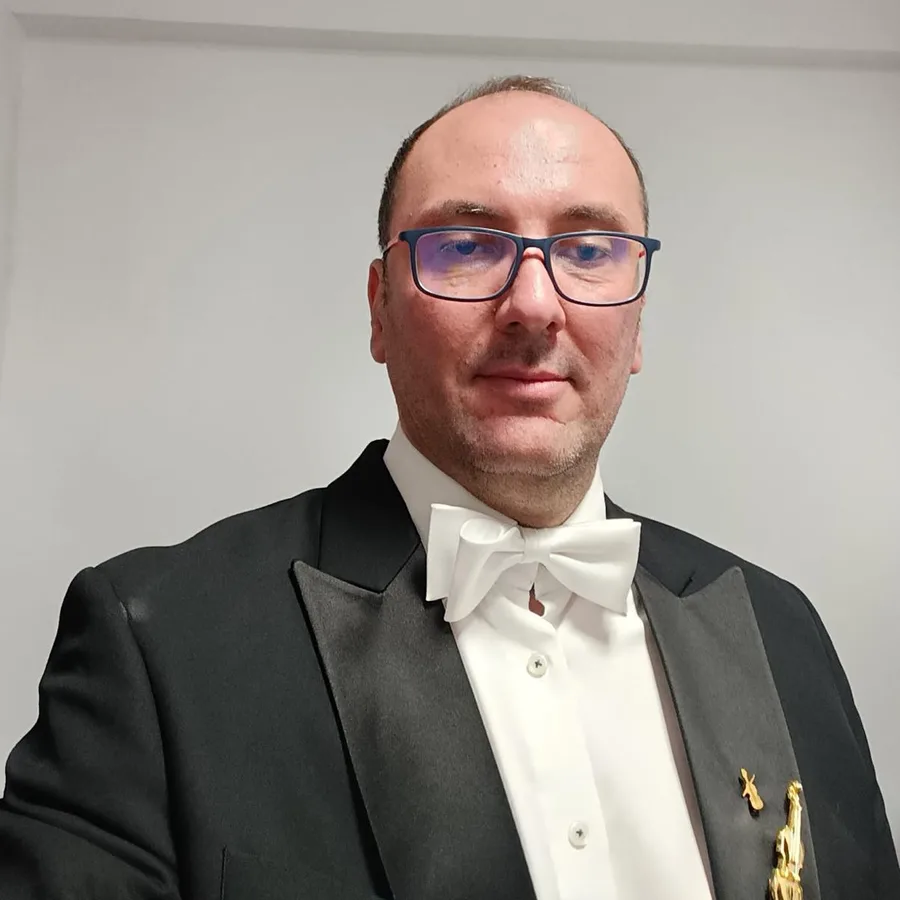
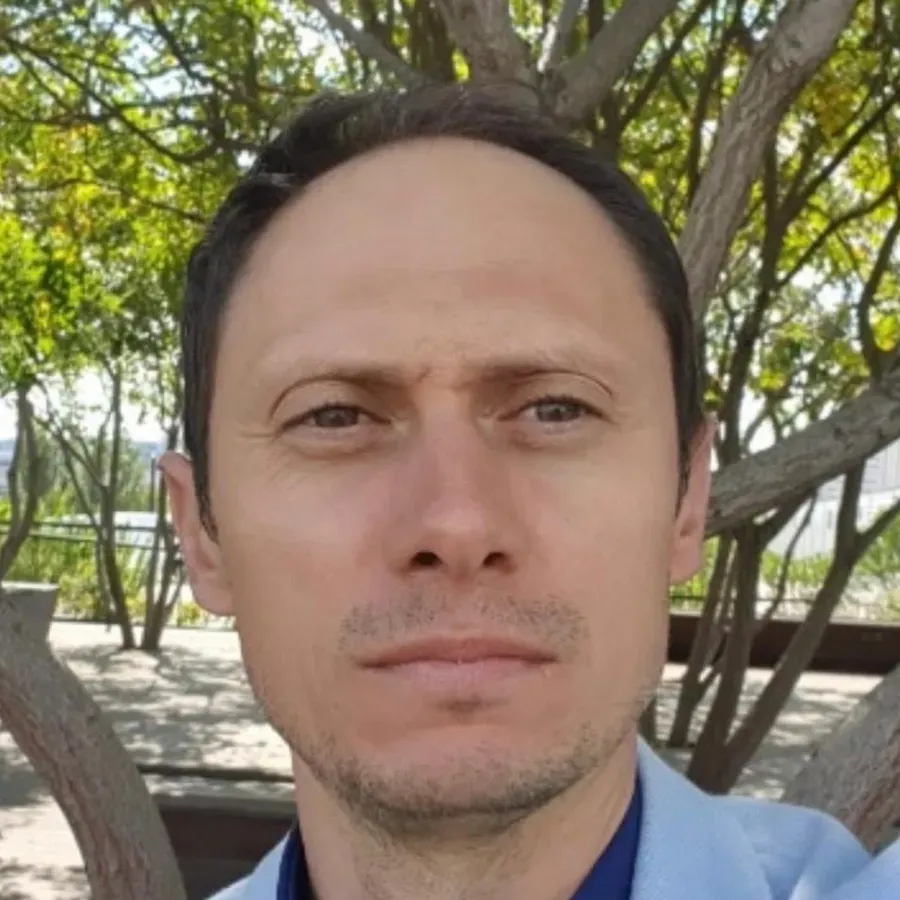
Costin Urlățeanu is a violinist with almost three decades of artistic experience in orchestras and ensembles in Romania and abroad. He has performed with the Sibiu State Philharmonic, the “Muntenia” Philharmonic in Târgoviște and the Philharmonie der Nationen, and between 2022 and 2023 he was second violin section leader at the Sibiu State Philharmonic. At IARS he contributes to the cultural dimension of the institute, through his experience in the artistic world and in international collaboration.
IARS membership and IARS expert status are distinct; inclusion in the expert network involves a separate assessment of professional experience and skills.
01
Petre Min, PhD
Honorary President of IARS
Petre Min combines more than two decades of experience in the nuclear sector with a focus on complex risk analysis, crisis preparedness and organizational resilience. His perspective starts with a question fundamental to any organization: how well can it maintain its critical functions when technical systems, people and coordination mechanisms come under pressure simultaneously?
A nuclear engineer with a PhD in Nuclear Power Plant Accident Management and a master’s degree in Radiation Protection and Nuclear Safety, he has experience in nuclear safety, nuclear security, radiation protection, and emergency preparedness and response. His professional background connects operational experience at Cernavodă Nuclear Power Plant with risk assessment, applied research and international cooperation.
He is an associate lecturer at the Faculty of Energy Engineering at POLITEHNICA Bucharest, where he teaches the master’s course “Nuclear Safety and the Human Factor”. He has contributed as an expert to International Atomic Energy Agency (IAEA) missions and activities and chairs the OECD Nuclear Energy Agency’s Expert Group on Emergency Preparedness for Small Modular Reactors.
His experience includes assessing response capabilities, designing and evaluating exercises, training specialists, and contributing scientific research on radiological consequences and decision support. These activities inform an integrated perspective on the vulnerabilities, interdependencies and cascading effects that can affect people, infrastructure and business continuity.
In risk analysis and business continuity, he emphasizes identifying critical functions, testing the assumptions underlying plans, clarifying responsibilities and strengthening teams’ ability to make decisions under uncertainty. His approach brings together technical rigor, human factors, and risk and crisis communication to understand how organizations can limit disruption, maintain trust and restore essential operations.
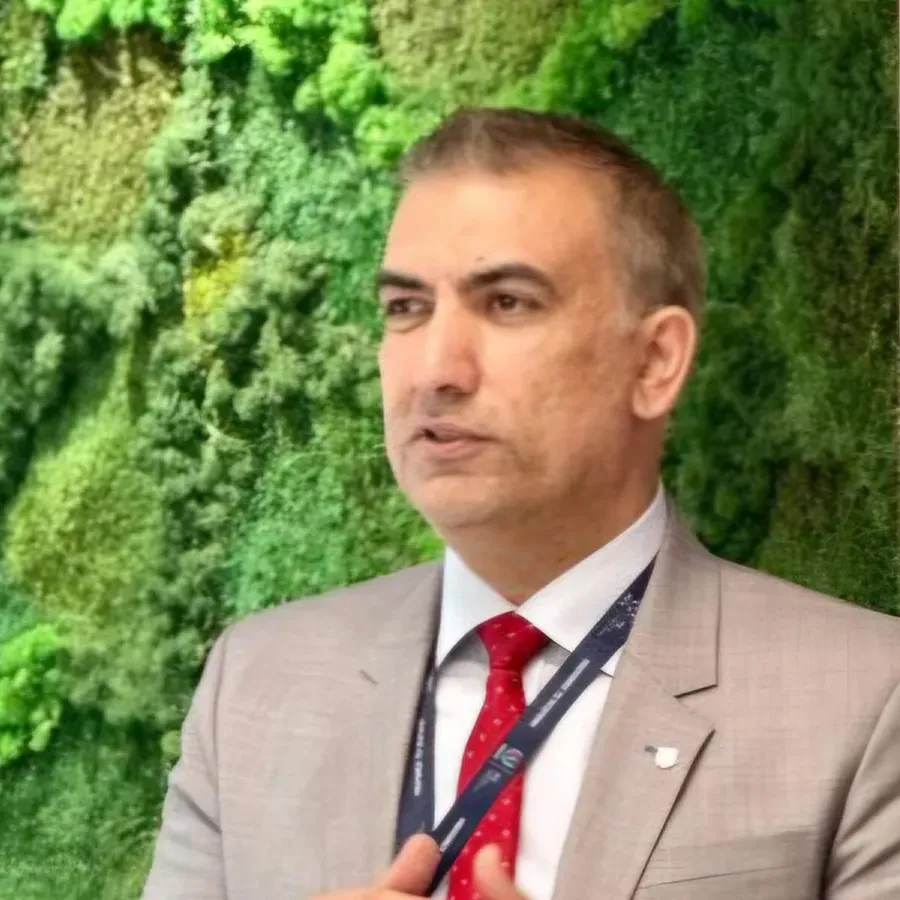
Ruxandra Săpoi is an engineer with ten years of experience in individual dosimetry and radiation protection. She holds a PhD in Energy Engineering, with a doctoral thesis entitled “Radiological Characterisation of Radioactive Waste”. During her doctoral studies, she completed numerous training placements involving environmental sample analysis and activity determination using alpha, beta and gamma spectrometry.
Since 2015, she has been an associate member of the European Dosimetry Group (EURADOS), a European organization specializing in ionizing radiation dosimetry, and participates in Working Group 12 - Dosimetry in Medical Imaging and Working Group 2 - Harmonization of Individual Monitoring. Since 2023, she has been a member of the EURADOS Council.
She has served as a lecturer on CNCAN-approved radiation protection training courses and as a coordinator of dosimetry training programs for nuclear power plant personnel.
She holds a Level 3 Radiation Protection Expert license issued by the Romanian National Commission for Nuclear Activities Control (CNCAN), covering unsealed sources, sealed sources and nuclear raw materials.
RADIATION PROTECTION
INDIVIDUAL DOSIMETRY
DOSIMETRY IN MEDICAL IMAGING
RADIOLOGICAL CHARACTERISATION OF RADIOACTIVE WASTE
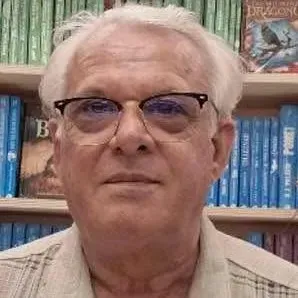
Dan Șerbănescu is a nuclear safety and risk specialist at Nuclearelectrica SA and Chief Operating Officer at RoPower SA. His background is nuclear physics and nuclear engineering, with PhD on nuclear engineering. He had activities in national and international projects related to risk, safety and emergency planning for large and small reactors for almost five decades. He has also experience in security of energy supply and in almost all nuclear fields (construction, designing, licensing, decommissioning, fabrication) at various executive and managerial positions, of which half in Romania, connected with CANDU and recently NUSCALE and half abroad, as PRA project manager of PBMR Ltd in South Africa and as European Commission nuclear staff member in JRC and DG ENER. He is scientific secretary of the Division of Logic and Models of the Romanian Academy and member EREDA. He has academic experience and is author/coauthor of more than 50 papers and of several books on safety, risk and models in complex energy systems, including nuclear.
CRISTIAN VIZITIU is a researcher and academic with extensive experience in leading interdisciplinary research and development (R&D) initiatives in space applications, as well as defining and advancing strategic research directions focused on space technologies and their terrestrial applications. He currently serves as Head of the Space Applications for Human Health and Safety Research Collective at the Institute of Space Science (ISS–INFLPR), Romania, and as Associate Professor in Computer Science and Robotics at Transilvania University of Brașov, specializing in Systems Engineering-related disciplines. He also holds an annual Visiting Professor appointment at a University of Applied Sciences in Graz, Austria, contributing to international teaching and academic collaboration.
With an engineering background, a Master of Business Administration (MBA), and a Professional Certificate in Architecture and Systems Engineering from MIT xPRO, he holds a Ph.D. in Systems Engineering, focused on ESA ECSS and INCOSE methodologies applied to space-enabled healthcare solutions. He is also pursuing a second Ph.D. in Computer Science and Information Technologies, addressing human performance and Search and Rescue (SAR) applications.
He has contributed as Project Responsible and Systems Engineer to numerous national and international R&D initiatives, including European Commission-funded projects in assistive technologies and digital healthcare, as well as European Space Agency (ESA) projects involving mobile telemedicine solutions for prehospital emergency medical care. He has also been serving as Project Director and System Architect for space-enabled Search and Rescue (SAR) applications within international consortia, integrating satellite technologies, unmanned aerial systems, and artificial intelligence to support emergency preparedness and response.
His interdisciplinary research combines Systems Engineering (SE), Model-Based Systems Engineering (MBSE), space technologies, and biomedical applications, with particular interests in human performance, human spaceflight countermeasures, and ground-based analog experiments. His work bridges space and terrestrial applications, contributing to technological solutions that enhance human health, safety, and operational resilience in challenging environments.
SYSTEMS ENGINEERING
SPACE TECHNOLOGIES FOR HEALTH AND SAFETY
TELEMEDICINE AND DIGITAL HEALTH
SEARCH AND RESCUE
HUMAN PERFORMANCE IN EXTREME ENVIRONMENTS
INTERDISCIPLINARY RESEARCH AND DEVELOPMENT PROJECT MANAGEMENT
We work with institutions, organisations, experts and professional communities on projects that turn analysis into preparedness and action. If you face a challenge that calls for complementary perspectives, an independent assessment or a framework for dialogue, we would like to talk.
We use cookies and similar technologies to measure how the site is used (statistics) and to evaluate the institute's communication on Meta platforms (marketing). None of this starts without your consent; you can change it at any time from "Cookie settings". Details in the Cookie policy.